One exception.
Every side of the story.
Bring purchasing, yard, delivery and customer-service evidence into a shared case. Stage a corrective response with a named owner.
BUILT INSIDE YOUR INDUSTRY
Operating intelligence for roofing, siding and drywall distribution. From the enterprise view to the last bundle on the truck.
THE MORNING OPERATING PICTURE
Extra handling and repeat trips explain the gap.
Interactive illustration · Synthetic data · No live ERP connection
A delivery is promised. The material is committed elsewhere.
Explore a sample operation. Follow the evidence. Make the next decision.
A BIGGER OPERATING PICTURE
You don’t need another AI company to explain your business to you. You need one that understands why a profitable order can still cost you money.
A missing accessory. An incomplete package. The wrong delivery capability. A second trip. SHNGL is designed to connect those details with the enterprise decisions they change.
Explore EnterpriseWhere does the company need to act?
Which location needs attention—and why?
What decision changes the outcome?
What happened after we decided?
DON’T JUST READ ABOUT IT. WORK THROUGH IT.
Start with a real operating question.
Follow the records. See the next decision.
Follow the contractor’s promise through the complete package, material availability, staging and delivery. See the missing piece before it becomes another trip.
AI-ELI · Dispatch
Illustrative order R-204 · 42 squares of architectural shingles, underlayment and flashing. Contractor requests delivery tomorrow morning.
These interactive examples show product direction using synthetic records. They are not connected to an ERP, do not take operational action, and do not represent customer results. Availability depends on the agreed product and scope.
ENTERPRISE / SCENARIO LAB IN DEVELOPMENT
The next level isn’t another dashboard. It’s a way to examine the decisions your dashboard can’t make.
Business Stress Test and Constraint Hunter explore how a change moves through the operation—and where the next limit appears. Time Machine preserves the context behind past decisions.
Follow a late receipt into committed orders, load readiness and customer promises. Compare a transfer or a revised plan before approving a response.
A guided concept preview, not a live forecasting or optimization engine.CONSTRAINT HUNTER ROADMAP
Try a deliberately simple planning model. Each truck has three delivery slots; every additional load needs capacity.
0 delivery slots remain in this model.
Transport fits this simplified model. Material readiness, labor, travel time and customer windows still need their own checks.
Synthetic arithmetic: 12 base loads × demand, rounded up; trucks × 3 slots. Not a route optimizer or capacity promise.THE PHYSICAL WORK COUNTS
Repeated travel. Congested lanes. Material touched twice. Put the movement beside the order and the operating decision.
✓ Forklift travel measurements and heat maps
included in Shadow Mode at the agreed branch.
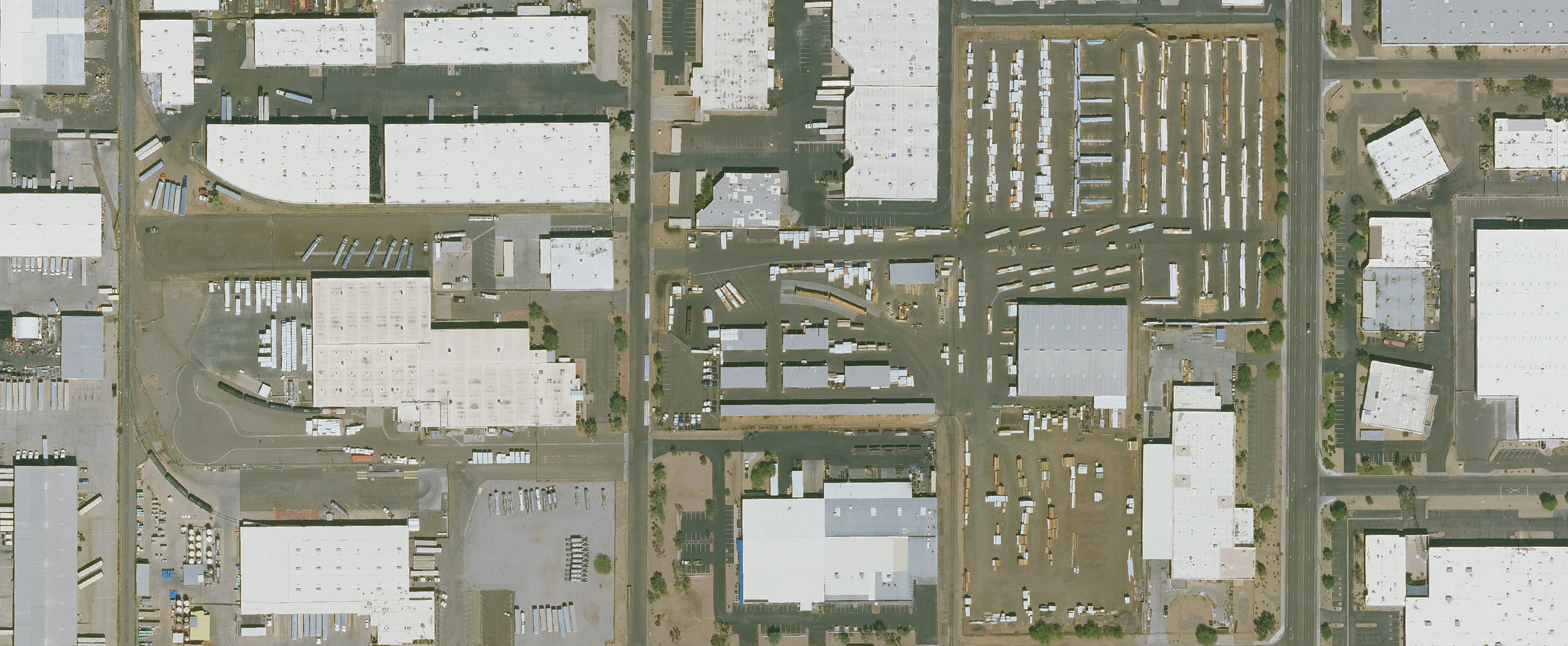

Start with a permitted baseline. Agree on equipment, site access, safety and data rights. Then compare the work before and after a management decision.
Explore your yard’s opportunityTIME MACHINE / BUSINESS REPLAY ROADMAP
At 08:00, the receipt was expected before staging. The team planned the order around the information available at that time.
Bring purchasing, yard, delivery and customer-service evidence into a shared case. Stage a corrective response with a named owner.
Compare proposed operating improvements, expose overlapping estimates, and track what the team actually chose to test.
Compare advice with recorded outcomes. Preserve what worked, what failed and what is still unproven.
SPECIALISTS WHO SPEAK YOUR LANGUAGE
Named AI assistants with defined jobs. Purchasing understands inventory. Dispatch understands readiness. Leadership sees how the pieces connect.
Meet the product vision. Each assistant’s available workflows and authority are agreed before use.
AI-SHEP / Enterprise intelligence
Connect the executive question to the branches, orders and unresolved decisions behind it. Standard and custom SHEP reports are included in standard products; live Enterprise intelligence has a separately agreed scope.
START WITH SHADOW MODE
One authorized branch. A standard 45-day phase after data-readiness acceptance. Read-only observation, recommendations and evidence for your team.
See how it worksChoose the branch, approved data, named people and measures.
Review data, forklift travel and yard heat maps within the agreed scope.
Inspect recommendations, uncertainty and the reasons behind them.
Separate verified savings, capacity and identified opportunity.
Shadow Mode does not write to your ERP. Later workflow authority requires your separate approval. Missing customer data or access pauses the clock.
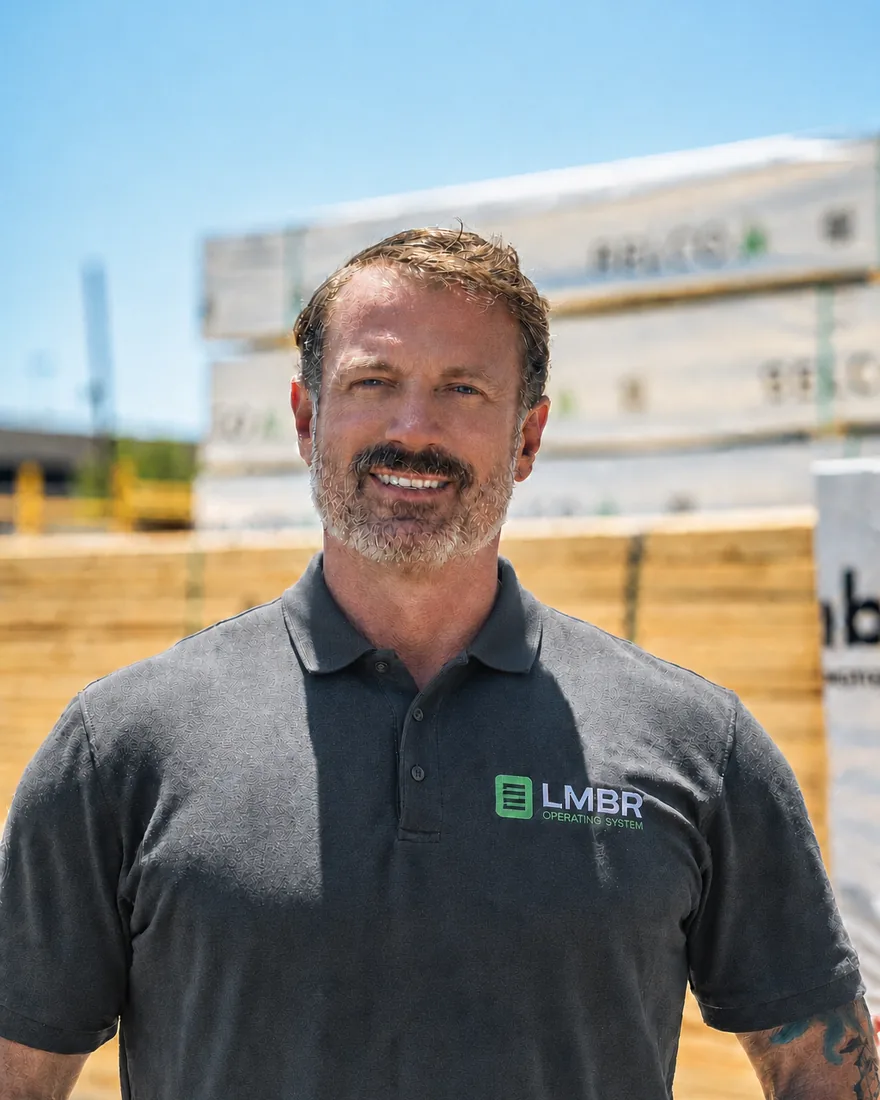
BUILT FROM THE OPERATOR’S SIDE OF THE DESK
Kenny Mays built his career in building materials before building the technology around it.
He started in sales in September 1999 and worked in lumberyards, truss plants and roofing yards. He retired in June 2026, before building LMBR.
SHNGL starts with the details operators recognize: the incomplete load, the inventory commitment, the second delivery, the decision that lands on your desk. That is where the product begins.
Have an operator-to-operator conversationBRING US THE QUESTION YOUR REPORTS CAN’T ANSWER.
SHNGL is a product of LMBR Technologies.
SHNGL-Enterprise brings the executive operating picture together across the locations and workflows in your agreed scope. SHEP, your executive AI assistant, connects what sales promised, what purchasing ordered, what the yard can fulfill, what delivery will cost, and what needs leadership’s attention—with the evidence behind each recommendation.
A margin report tells you margin moved. An inventory report tells you what is on hand. A dispatch screen tells you where the truck is. Enterprise is designed to connect those facts: which order is exposed, which contractor is affected, what the operating cost may be, and which decision needs a person.
Start with the executive view, then follow the source records and recorded exceptions behind it. SHEP brings the questions together; ANNIE, your purchasing and forecasting AI assistant, and the specialist workflows bring the detail.
Quotes waiting on an answer, committed orders, upcoming jobs, and the inventory those promises depend on.
On-hand versus available stock, inbound timing, shortages, excess inventory, supplier cost, and the reasons behind ANNIE’s buying recommendations.
Order readiness, routes, stops, truck and driver assignments, delivery exceptions, and proof of delivery.
The handling, miles, repeat trips, and delivery costs behind a customer, job, order, or route—not just the margin on the invoice.
Credit exposure, receivables, collection priorities, and cash tied up in inventory, alongside the operating decisions that affect them.
What needs a decision, the evidence behind it, who reviewed it, what they chose, and the recorded outcome.
Illustrative questions and scenarios—not customer results. Each analysis depends on the approved data and workflows connected for your operation.
A customer can look healthy on gross margin while small orders, extra handling, long routes, and second trips consume the contribution. Bring the invoice and the delivery work into the same view, and leadership can investigate which accounts need different delivery terms, order minimums, or service plans.
The on-hand number is only the beginning. Some stock may already be committed; an inbound purchase order may arrive after the job needs it. Connecting booked demand, available inventory, supplier timing, and delivery readiness exposes the conflict while there is still time to make a decision.
ANNIE’s Buy Desk puts quantity, supplier, timing, and the reason together. Leadership can weigh a lower unit cost against lead time, booked demand, excess stock, rebate position, and cash timing. The better question becomes: what does this purchase do to the business after it lands?
Look beyond the second delivery. Follow the order’s readiness checks, shortage, dispatch history, and recorded delivery exception. The cost includes another truck trip, more driver time, more handling, and a disrupted contractor schedule. That connects the expense to the earlier decision the team needs to investigate.
For a roofing distributor, that might mean a shingle package promised for tomorrow while the matching ridge cap is committed elsewhere. For drywall, a stocked order may still miss its jobsite window if the right delivery equipment is unavailable. For siding, a late accessory can hold up a complete package. The connected view helps the team investigate the whole promise.
See the recommendation, its supporting records, the assumptions, and what is still unknown. Your team can approve, disagree, override, or defer—and attach the outcome so leadership can review what happened after the decision.
Your workflows. Your comfort level. Your choice.
Choose the level of authority for each workflow. Keep one read-only, ask another to prepare drafts, and allow a third to act within the permissions you approve. You do not have to give every workflow the same level of control.
Observe the workflow and review its data without making changes.
Prepare recommendations or drafts for your team to review, edit, and approve.
Carry out approved actions within the workflow, permissions, and limits you choose.
Keep using your ERP and SHNGL side by side for as long as you want. Choose the workflows, agree on the scope, and change the level of authority as your comfort grows. It’s up to you. It’s not all or nothing.
We’ll work through your locations, systems, available data, and the first operating question together. Your team stays in control of access and decisions; scope, integrations, and commercial terms are agreed before work begins.
See What’s Possible Across Your BusinessUse the estimator, then decide whether a 30-minute conversation makes sense.